
top of page

How Custom Steel Building Design Impacts Strength, Cost & Longevity

Custom steel building design has become a key factor in why steel buildings are now one of the most reliable and versatile construction solutions across commercial, industrial, and agricultural sectors. While steel itself is known for strength and durability, the true performance of a steel structure depends heavily on how it is designed.


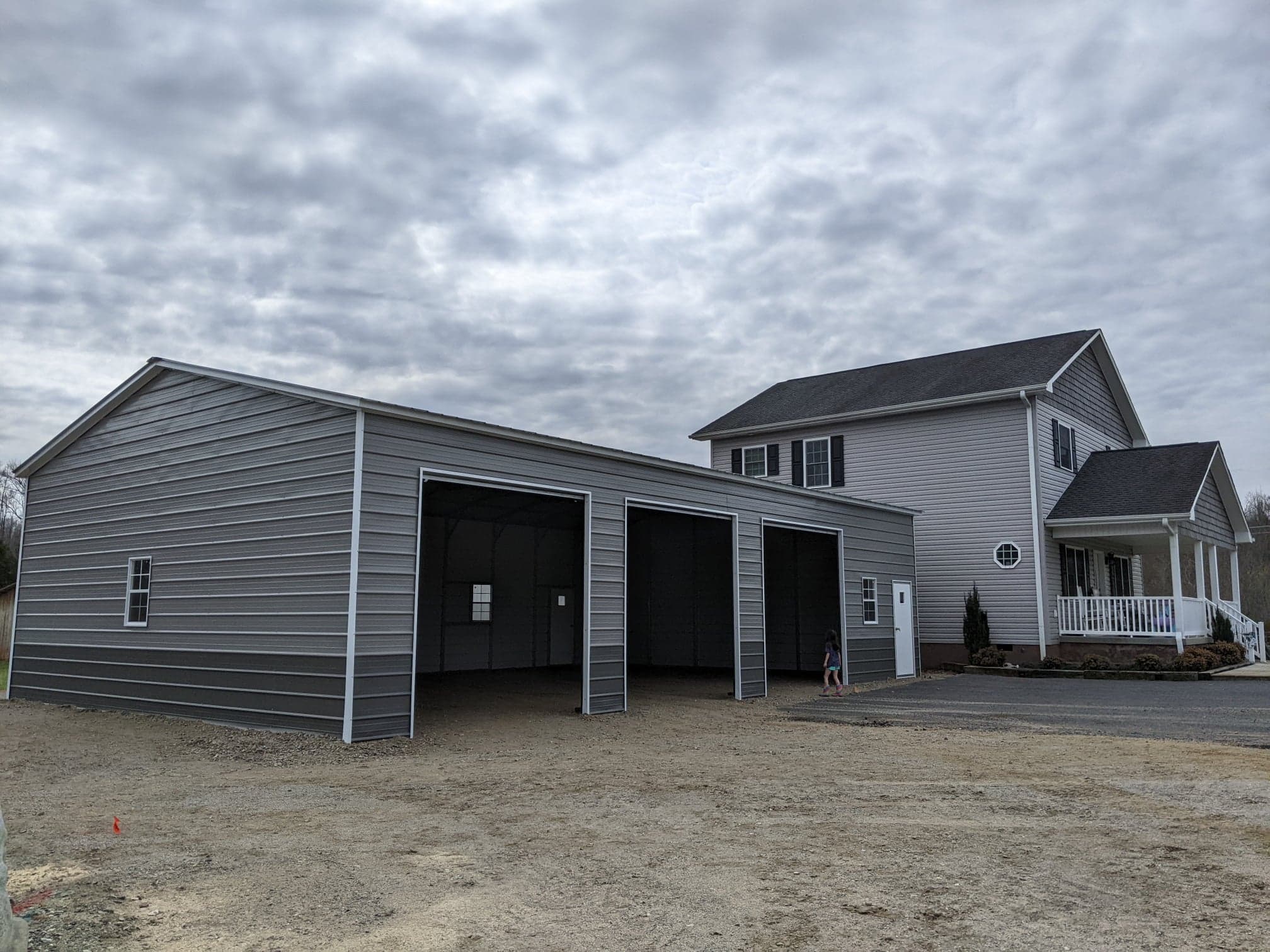
a grey colour metal building with a house

From improving structural integrity to managing construction budgets and extending building lifespan, custom design decisions impact every stage of a steel building’s life. In this pillar guide, we explore how thoughtful steel building design influences strength, cost efficiency, and longevity, and why customized solutions consistently outperform generic alternatives.


Choosing a steel building is not just about selecting materials—it’s about choosing the right engineering approach. Many buyers focus on upfront pricing without considering how design affects structural performance, maintenance needs, and long-term expenses.


A well-executed custom steel building design ensures:

  • Higher structural safety

  • Optimized material usage

  • Lower lifetime costs

  • Long-lasting performance in demanding environments


Understanding these factors helps property owners make smarter, future-ready construction decisions.


What Is Custom Steel Building Design?


Custom steel building design refers to engineering a steel structure around specific project requirements rather than relying on standardized templates. This includes tailoring:

  • Building dimensions and layout

  • Load-bearing capacity

  • Framing systems

  • Roofing and wall materials

  • Climate and location-based considerations

  • Future expansion capabilities


Unlike basic plans, custom designs integrate engineering precision with real-world usage demands. These structures often combine aspects of pre-engineered steel building design with project-specific modifications, resulting in highly efficient engineered steel building solutions.


Steel Building Design Impact on Strength


Structural strength is one of the most critical outcomes of effective design. The steel building design impact on strength determines how well a building withstands environmental forces, operational stress, and long-term wear.


Load Calculations and Structural Precision


Every steel structure must safely manage:

  • Wind loads

  • Snow loads

  • Seismic forces

  • Equipment and occupancy loads


Custom steel building design uses precise load calculations tailored to the building’s location and purpose. This ensures the structure is neither under-designed nor over-engineered.


Accurate load analysis enhances:

  • Structural stability

  • Safety compliance

  • Steel structure strength and durability


By designing to actual conditions rather than assumptions, engineers reduce failure risks and extend building life.


Material Selection and Framing Systems


Not all steel is the same. Custom designs allow engineers to select:

  • Appropriate steel grades

  • Optimal column spacing

  • Reinforcement where needed

  • Efficient framing systems


A well-planned structural steel building design distributes loads evenly and minimizes stress concentrations. This results in improved resistance to deformation, corrosion, and fatigue—especially in high-demand environments.


How Custom Steel Building Design Controls Cost

Cost is often misunderstood in steel construction. While customization may appear more expensive initially, it often leads to significant long-term savings.


Understanding Custom Steel Buildings Cost


Custom steel buildings cost is influenced by:

  • Building size and height

  • Structural complexity

  • Load requirements

  • Site location and codes


However, custom design eliminates unnecessary materials and inefficient layouts. Instead of paying for oversized components, owners invest in a structure that precisely meets their needs.


Cost-Effective Steel Building Design Strategies


A cost-effective steel building design focuses on maximizing efficiency without compromising performance. Key strategies include:

  • Optimized framing layouts that reduce steel usage

  • Pre-engineered components for faster installation

  • Reduced foundation and labor costs

  • Minimal material waste during fabrication


Over time, these efficiencies translate into lower ownership costs and better return on investment.


Pre-Engineered Steel Building Design vs Fully Custom Designs


Pre-engineered steel building design uses standardized components fabricated off-site.

These systems are known for:

  • Faster construction timelines

  • Predictable quality

  • Cost efficiency for common applications


Fully custom designs, however, are ideal for:

  • Unique layouts

  • Heavy equipment loads

  • Specialized industrial operations

  • Future expansion requirements


Many modern projects combine both approaches, creating hybrid engineered steel building solutions that balance speed, flexibility, and strength.


Custom Steel Building Design and Longevity


Longevity is where steel buildings truly stand apart—especially when supported by smart design.


Factors That Improve Steel Building Longevity


Custom steel building design improves steel building longevity by addressing:

  • Corrosion resistance through coatings and finishes

  • Drainage and moisture management

  • Climate-specific wind and snow protection

  • Structural adaptability for future modifications


These design choices protect the structure from premature deterioration.


Why Long-Lasting Steel Buildings Outperform Traditional Structures


Long-lasting steel buildings outperform traditional wood or masonry construction because steel:

  • Does not rot, warp, or crack

  • Is resistant to pests and fire

  • Performs well in extreme weather


This durability significantly reduces repair frequency and extends usable life.


Maintenance and Durability Considerations


Maintenance requirements are directly tied to design quality. A poorly designed structure may experience stress failures, corrosion issues, or excessive wear.


A well-executed structural steel building design minimizes maintenance by:

  • Reducing stress points

  • Using protective coatings

  • Ensuring proper ventilation and drainage


These factors enhance steel structure strength and durability while lowering long-term maintenance costs.


Key Custom Metal Building Design Benefits for Different Applications


The advantages of customization apply across industries.


Custom metal building design benefits include:

  • Commercial Buildings: Flexible layouts, aesthetic appeal, energy efficiency

  • Industrial Facilities: Heavy load support, operational efficiency

  • Agricultural Structures: Resistance to moisture, chemicals, and harsh weather

  • Warehouses & Logistics: Open-span interiors, scalability


Each application benefits from a design tailored to its functional demands.


Conclusion


Custom steel building design is the backbone of strength, efficiency, and longevity in modern construction. By focusing on precise engineering, optimized material selection, and future-ready layouts, custom steel buildings consistently outperform standard, one-size-fits-all structures. Thoughtful design ensures that every component of the building works together to handle environmental loads, operational demands, and long-term use without compromising safety or performance.


Beyond structural strength, custom steel building design plays a vital role in controlling overall project costs. Through efficient framing systems, accurate load calculations, and reduced material waste, property owners benefit from a cost-effective steel building design that lowers construction expenses and minimizes long-term maintenance requirements. Over time, this translates into a stronger return on investment and predictable ownership costs.


For property owners seeking durable, efficient, and high-performing structures, investing in engineered steel building solutions is a strategic and future-focused decision. Companies like Nationwide Steel Structures specialize in delivering custom steel buildings that balance structural strength, cost control, and long-term reliability. With expert design and engineering, Nationwide Steel Structures ensures every steel building is built to perform, adapt, and last for decades.


FAQs


What are the key benefits of custom metal building design?

Custom premium metal building design benefits include improved structural strength, optimized material usage, and enhanced design flexibility. By tailoring the building to specific functional and environmental requirements, custom designs reduce unnecessary components, improve energy efficiency, and lower maintenance needs. These advantages result in a stronger structure, better performance, and a longer building lifespan.


How does steel building design impact long-term costs?

Steel building design has a direct impact on long-term costs by influencing maintenance, repairs, and durability. A well-engineered design reduces structural stress, minimizes wear and tear, and extends the service life of the building. Over time, these factors significantly lower repair expenses and make custom steel buildings more economical than traditional construction methods.


How does structural steel building design affect maintenance requirements?

A properly engineered structural steel building design reduces maintenance requirements by ensuring efficient load distribution and minimizing stress points within the structure. The use of corrosion-resistant materials, protective coatings, and smart drainage solutions further improves durability, helping steel buildings maintain performance with minimal ongoing upkeep.


How does custom steel building design impact overall strength?

Custom steel building design improves overall strength by incorporating precise load calculations, optimized framing systems, and high-quality steel materials. These elements work together to enhance steel structure strength and durability, allowing the building to withstand wind, snow, seismic forces, and heavy operational loads more effectively than standard designs.


Is custom steel building design more expensive than standard designs?

While initial pricing may vary depending on size and complexity, custom steel buildings cost less over time in most cases. Custom design eliminates unnecessary materials, reduces construction waste, and shortens build timelines. When combined with lower maintenance and repair expenses, custom steel buildings offer superior long-term value compared to standard designs.


Why are long-lasting steel buildings a smart investment?

Long-lasting steel buildings are a smart investment because they offer exceptional durability, resistance to fire, pests, and extreme weather, and lower lifecycle costs. When supported by a well-planned custom steel building design, these structures maintain their strength and functionality for decades, providing reliable performance and strong financial returns.

Comments


bottom of page