top of page

Metal Building Trends for 2026: What Buyers Can Expect Next Year

Technology, the need for sustainability, and more intelligent building techniques are driving the metal building industry's rapid evolution. Whether for households, business owners, or commercial developers, metal building trends for 2026 show a significant change towards efficiency, customisation, and long-term value. Today's buyers demand buildings that function better, last longer, and can be modified to meet changing needs; they are no longer just concerned with initial costs.


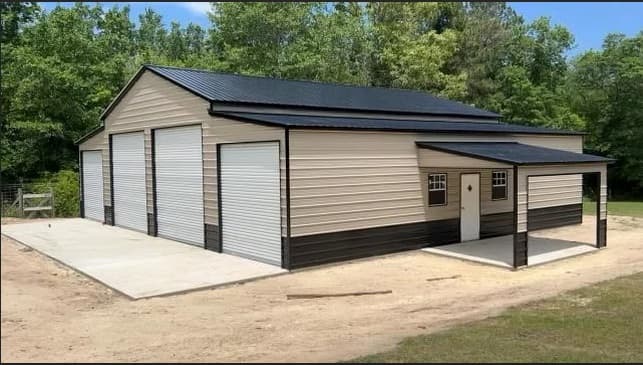
metal building in a garden

The next phase of innovation is changing the design, production, and installation of metal structures, from steel building trends 2026 that emphasise quicker installation to smart metal buildings outfitted with contemporary technology. Knowing these tendencies enables purchasers to make well-informed choices, steer clear of expensive blunders, and invest in structures that will be useful for many years.


This guide provides professional views based on practical construction experience, breaks down the key trends in the metal building sector, and explains how they affect actual projects. These trends will influence your purchasing choices if you intend to construct or upgrade in the near future.


Why Trends in Metal Building Are More Important Than Ever


Buyers in 2026 have higher expectations than a simple steel construction. Builders are being forced to reconsider conventional methods due to regulations, operational efficiency, and climatic demands. Performance, not simply safety, will be the focus of metal buildings in the future.


Current trends in the development of metal buildings are largely driven by:


  • Increasing labour and material expenses

  • Demand for expedited project schedules

  • Sustainability and energy efficiency requirements

  • Adaptable building usage and opportunity for growth

  • Durability throughout time and lower upkeep


Ignoring these patterns might lead to buildings that don't satisfy code standards in a matter of years, outmoded designs, or increased running costs.


2026 Steel Building Trends: Stronger, Faster, and Smarter


The shift to precision-engineered systems is one of the biggest developments in steel construction in 2026. Manufacturers are concentrating on more precise tolerances, sophisticated construction, and optimised steel framing.


What’s Changing in Steel Construction?


  • High-strength, cold-formed steel for improved load performance

  • Better coatings that resist corrosion

  • Components that are lighter without compromising structural integrity

  • Improved engineering for wind and snow loads


Stronger buildings may be constructed with fewer resources thanks to these steel building construction trends, which also speed up installation and cut waste.


Pre-Engineered Metal Building Trends Reshaping Construction


New builds are still dominated by pre-engineered systems. Customisation without complexity is the main focus of pre-engineered metal building trends.


Advantages of Contemporary Pre-Engineered Structures


  • Quicker approval and permitting procedures

  • Decreased need for on-site labour

  • Regular quality assurance from manufacturing

  • Reduced overall project expenses


This means greater budget management, fewer surprises, and predictable timetables for purchasers, particularly for commercial and industrial projects.


Trends in Metal Building Design: Form and Function Come Together


The days of simple, boxy steel structures are long gone. The design of metal buildings in 2026 will prioritise user experience, adaptability, and beauty.


Included in contemporary metal building designs are:


  • Mixed materials and clean architectural lines

  • Interiors with greater clear-span

  • Multipurpose areas with integrated mezzanines

  • Personalised exterior colours and finishes


These contemporary metal building designs are appealing to both households and companies, making metal structures appropriate for homes, workshops, retail establishments, and offices.


Trends in Commercial Metal Construction Increasing Efficiency in Business


Trends in commercial metal buildings are centred on adaptability and operating efficiency. Companies seek organisational structures that facilitate expansion, automation, and changing processes.


Important business trends consist of:


  • Interiors with a wide range for warehousing and logistics

  • Systems for energy-efficient insulating

  • Included room for future growth

  • Roofing systems with high performance


These improvements boost usable area while lowering operational expenses, which is a significant advantage in cutthroat marketplaces.


Growing Trends in Residential Metal Construction


Metal constructions are no longer only used for residential purposes. Barndominiums, workshops with living quarters and multipurpose garages are all seeing significant increase in residential metal building trends.


Common residential trends consist of:


  • Combination living and storage areas

  • Wall and roof assemblies that use less energy

  • Open-concept, custom floor plans

  • Low-maintenance external surfaces


Steel is a popular choice among homeowners due to its long-term value, quickness of construction, and durability.


2026 Metal Building Innovations: Intelligent and Eco-Friendly


In 2026, metal construction advances will be heavily influenced by technology. Building designs are increasingly incorporating smart systems.


Features of Smart Metal Buildings


  • Climate control and automated lighting

  • Monitoring of air quality and intelligent ventilation

  • Systems for managing buildings remotely

  • Combined access control and security


These intelligent metal structures enhance occupant comfort while using less energy.


Sustainable and Energy Efficient Metal Buildings


Sustainability is no longer a choice. Energy-efficient and sustainable metal buildings are increasingly expected.


Key Sustainability Features


  • Superior insulation systems

  • Innovative roofing technique

  • Designs for solar-ready roofs

  • Steel materials that can be recycled


Lower energy costs, possible tax breaks, and less of an impact on the environment are all advantages for buyers.


Cost Factors: What Purchasers Should Anticipate


Modern metal building construction trends frequently lower lifetime expenses, even if advanced features may raise initial expenditure.


Cost Factors to Consider


  • Clear-span requirements and building size

  • Energy systems and insulation

  • Intelligent integration of technologies

  • Personalised design components

  • Preparation of the site and kind of foundation


Selecting the ideal feature set guarantees long-term savings as opposed to temporary concessions.


Common Mistakes Buyers Should Avoid in 2026


Errors still occur despite changing tendencies. Steer clear of these typical pitfalls:


  • Selecting antiquated designs that restrict growth

  • Disregarding modifications to the local building code

  • Underestimating the need for insulation

  • Prioritising upfront costs above lifecycle value

  • To get the most out of contemporary metal construction solutions, careful planning is necessary.

  • Professional Advice for Purchasing a Metal Structure in 2026

  • Even if you don't need it now, you should always plan for future growth.

  • Invest in insulation; it will pay for itself more quickly than other modifications.

  • Enquire about load ratings and engineering certificates.

  • Select designs that are appropriate for both present and future use.


Which is best for your climate: advanced insulated panels or conventional steel? Long-term performance, not simply beginning cost, determines the solution.


Conclusion: Preparing for the Future of Metal Buildings


Smart design, faster construction, and long-term performance are the metal building trends set to define 2026. From advanced pre-engineered metal building trends to smart metal buildings and sustainable materials, buyers now have more options than ever to create structures that deliver exceptional durability, efficiency, and flexibility. Understanding these shifts allows you to make informed investments, avoid costly retrofits, and confidently future-proof your building.


If you’re planning a new project, now is the right time to build with these trends in mind. A well-designed steel structure can evolve alongside your needs and continue delivering value for decades. At Nationwide Steel Structures, experienced metal building specialists work closely with buyers to design solutions that align with modern building standards, performance expectations, and long-term goals. Request a custom quote or speak with a metal building expert today to explore the best options for your next project.


FAQs


How is the metal building industry evolving in 2026?

The industry is shifting towards more energy-efficient designs and quicker building techniques. Significant advancements are being driven by automation and sustainability.


Are pre-engineered metal structures growing in popularity?

Indeed. Pre-engineered solutions are becoming more and more common since they shorten construction times, enhance quality control, and lessen project risk overall.


What part do smart technologies play in developments in metal construction?

Smart solutions lower operating expenses while enhancing building performance, security, and energy management.


Are trends in metal building construction cutting down on construction time?

Of course. Construction timetables are greatly shortened by factory production, modular components, and enhanced logistics.


Which trends in residential metal construction are becoming more and more popular?

Due to their affordability and durability, barndominiums, multipurpose garages, and energy-efficient steel dwellings are experiencing rapid growth.

Comments


bottom of page