top of page

From Storage to Strategy: How Metal Buildings Are Transforming Small Businesses

Small businesses today are constantly looking for ways to operate more efficiently while controlling costs and preparing for growth. One of the most effective solutions gaining popularity across industries is the use of metal buildings for small businesses. These structures, once viewed primarily as storage facilities, have evolved into versatile spaces that support manufacturing, retail operations, offices, workshops, and distribution.


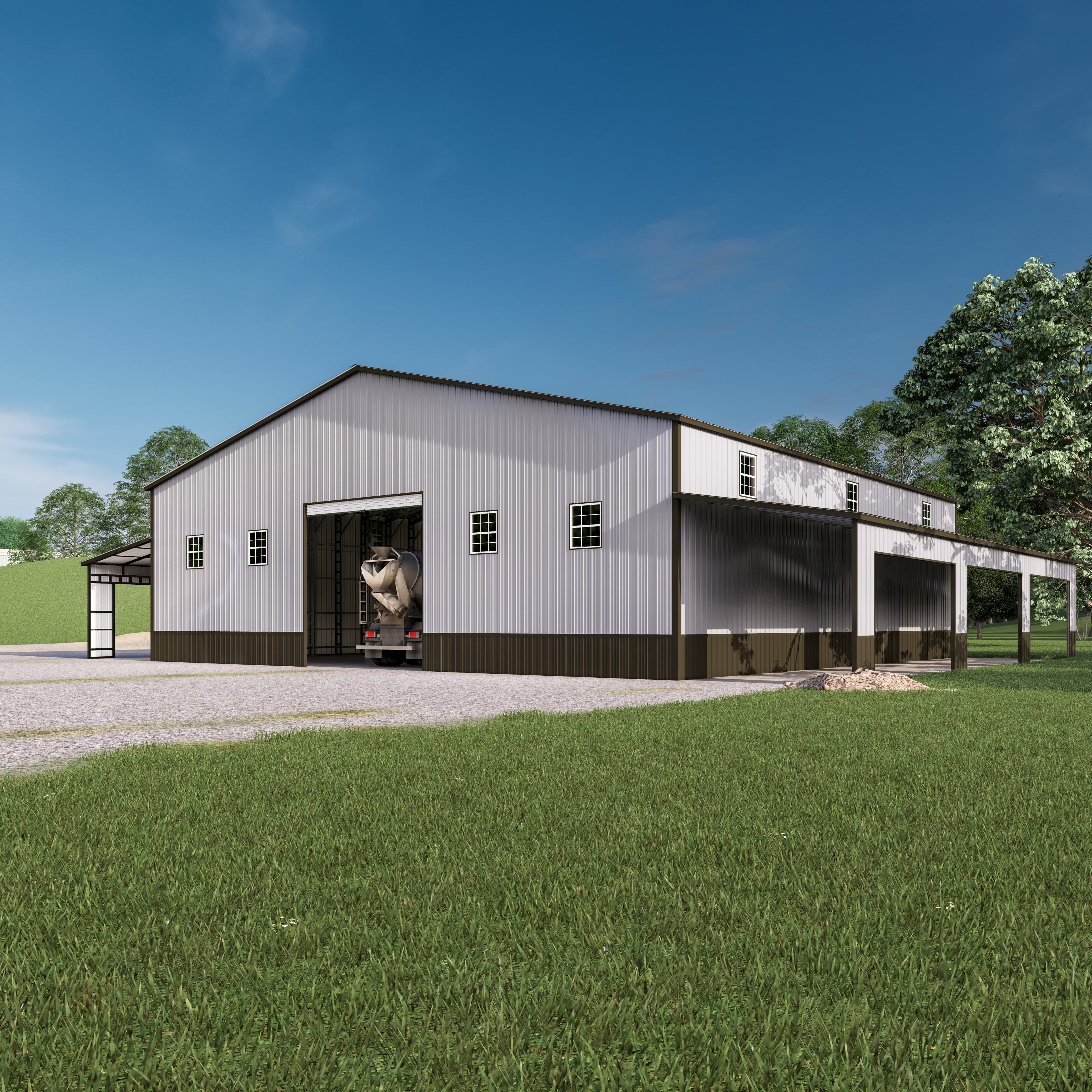
a metal building for small businesses

Modern commercial metal buildings offer flexibility, durability, and affordability that traditional construction often struggles to match. Entrepreneurs are realizing that these structures can serve as long-term operational assets rather than simple storage units. With customizable layouts, faster construction timelines, and lower maintenance costs, steel buildings for small businesses are becoming a strategic investment for companies aiming to scale efficiently.


Today, metal buildings for business use are helping organizations optimize their space, improve workflow, and expand operations without the financial burden of traditional building methods. From warehouses and service centers to retail locations and production facilities, businesses across many industries are discovering the advantages of commercial steel buildings.


Why Metal Buildings for Small Businesses Are Growing in Popularity


Over the past decade, demand for metal buildings for small businesses has increased significantly. Several factors contribute to this growth, including affordability, durability, and the ability to customize structures for different industries.


Unlike conventional buildings, commercial steel buildings are designed for strength and longevity. Steel structures can withstand extreme weather conditions, resist pests, and require minimal maintenance compared to wood or brick construction. This durability makes them an attractive option for business owners who want reliable infrastructure without frequent repair costs.


Another reason for their growing popularity is construction efficiency. Prefab metal buildings for businesses can be manufactured off-site and assembled quickly once delivered. This reduces construction time dramatically, allowing companies to start operations faster. For small businesses that need to expand quickly, time savings can translate directly into increased revenue.


Additionally, metal buildings are highly customizable. Businesses can adjust the size, layout, and design to suit specific operational needs. Whether a company requires office space, manufacturing areas, storage rooms, or service bays, commercial metal buildings can be tailored to support multiple functions within one structure.


Commercial Metal Buildings vs Traditional Structures


When comparing commercial metal buildings with traditional construction methods, the advantages of steel structures become clear. Traditional buildings made from wood or concrete often require longer construction timelines, higher labor costs, and ongoing maintenance.


In contrast, steel buildings for small businesses provide a streamlined construction process. Since many components are pre-engineered and fabricated before arriving at the construction site, installation becomes faster and more efficient. This allows business owners to move into their new facility sooner and begin generating revenue earlier.


Cost is another major factor. Affordable commercial metal buildings generally require fewer materials and less labor than traditional construction. Steel components are also designed to reduce waste, making the overall project more economical.


Durability also plays a significant role. Steel structures resist common issues like rot, termites, and structural weakening caused by moisture. For businesses operating warehouses, workshops, or manufacturing facilities, this durability ensures a safe and reliable environment for equipment and staff.


Finally, metal buildings offer long-term flexibility. As a business grows, metal buildings for business use can often be expanded or modified more easily than conventional structures. This scalability helps companies adapt their facilities to changing operational needs.


The Shift from Simple Storage to Strategic Infrastructure


Historically, many companies viewed metal structures primarily as storage facilities. However, the role of these buildings has changed dramatically. Today, businesses see metal buildings for small businesses as strategic infrastructure that supports daily operations and long-term growth.


Companies are using metal buildings to create multi-functional spaces that combine storage, office areas, production zones, and retail sections within one structure. This approach improves workflow and allows teams to operate more efficiently in a centralized location.


For example, a small manufacturing company might use a steel building for production activities while incorporating administrative offices and inventory storage in the same facility. Similarly, service-based businesses can operate repair shops, equipment storage areas, and customer service counters under one roof.


This transformation highlights the growing importance of commercial uses of metal buildings beyond simple storage. By optimizing space and integrating multiple functions, businesses can increase productivity while reducing operational costs.


Common Commercial Uses of Metal Buildings


The versatility of metal structures allows businesses across many industries to benefit from their functionality. There are several commercial uses of metal buildings that demonstrate their adaptability.


One of the most common applications is metal buildings for warehouses and workshops. Businesses that require large open spaces for equipment, inventory, or manufacturing processes benefit from the clear-span design that steel structures provide. This design eliminates interior support columns, maximizing usable floor space.


Retail businesses also use commercial metal buildings for storefronts, showrooms, and service centers. The ability to customize interior layouts allows companies to create attractive and functional customer-facing environments.


Another popular use is for logistics and distribution centers. Businesses involved in shipping, inventory management, or supply chain operations rely on metal structures to create efficient storage and processing facilities.


Additionally, many entrepreneurs utilize metal buildings for business use as automotive repair shops, equipment maintenance facilities, agricultural service buildings, or contractor workshops. These flexible applications demonstrate how steel buildings can support a wide variety of industries.


Benefits of Metal Buildings for Small Businesses


The growing demand for metal buildings for small businesses is driven by several key advantages that help companies operate more effectively.


One major benefit is cost efficiency. Compared to traditional construction, affordable commercial metal buildings require fewer materials and less labor, making them an attractive option for startups and expanding companies.


Durability is another important advantage. Steel structures are resistant to weather damage, fire, and pests, ensuring that the building remains structurally sound for many years. This reliability reduces repair expenses and protects valuable equipment and inventory.


Energy efficiency also contributes to the benefits of metal buildings for small businesses. Modern insulation systems and reflective roofing materials help regulate indoor temperatures, lowering heating and cooling costs.


Additionally, steel buildings provide design flexibility. Businesses can customize layouts to accommodate offices, workspaces, storage areas, or production zones within a single facility. This adaptability allows companies to maximize their available space and improve workflow efficiency.


Finally, metal buildings require minimal maintenance. Unlike wood structures that may need frequent repairs, steel buildings maintain their strength and appearance with relatively little upkeep.


Prefab Metal Buildings for Businesses: Faster and More Affordable


One of the most appealing options for entrepreneurs is the use of prefab metal buildings for businesses. Prefabricated steel structures are manufactured in controlled environments before being transported to the construction site for assembly.


This process offers several advantages. First, construction timelines are significantly reduced because many components are prepared in advance. Businesses can begin operations sooner, which helps generate revenue faster.


Second, prefabrication reduces labor costs and material waste. Since the building components are engineered for precise assembly, fewer adjustments are required during installation.


Third, prefab metal buildings for businesses provide consistent quality. Manufacturing in controlled environments ensures that each component meets strict standards, resulting in stronger and more reliable structures.


These benefits make prefabricated steel buildings an attractive choice for companies seeking efficient construction solutions without compromising quality.


How Commercial Steel Buildings Support Business Strategy


For many companies, infrastructure decisions directly impact operational efficiency and long-term growth. By investing in commercial steel buildings, businesses can create facilities that support their strategic goals.


For example, a well-designed steel building can improve workflow by organizing different operational areas within one structure. Storage, production, and office spaces can be arranged to minimize unnecessary movement and maximize productivity.


Another strategic advantage is scalability. As businesses grow, they often require additional space. Metal buildings for small businesses can be expanded or modified to accommodate increased production, additional employees, or larger inventory storage.


Additionally, steel buildings support long-term financial planning. Since they require minimal maintenance and have long lifespans, they offer excellent return on investment.

By viewing infrastructure as a strategic asset rather than a simple expense, businesses can use metal buildings for business use to strengthen operations and support future expansion.


Conclusion


The role of metal buildings in modern business operations has evolved significantly. What were once considered simple storage facilities are now powerful tools for growth and efficiency. From warehouses and workshops to offices and retail spaces, metal buildings for small businesses provide the flexibility and durability that companies need to succeed in competitive markets.


By investing in commercial metal buildings, entrepreneurs gain access to customizable, cost-effective infrastructure that can adapt to changing operational requirements. The advantages of durability, affordability, and scalability make steel buildings for small businesses a smart long-term investment.


Businesses that want to optimize their facilities and prepare for future growth are increasingly turning to metal construction solutions. Companies like Nationwide Steel Structures help businesses design and build reliable steel buildings that support operational efficiency, expansion, and long-term success.


FAQs

Why are metal buildings popular for small businesses?

Metal buildings have become popular because they offer durability, affordability, and design flexibility. Steel structures can be customized for various commercial uses such as warehouses, offices, and workshops. They also require less maintenance compared to traditional buildings, making them a cost-effective option for growing businesses.


Are metal buildings cheaper than traditional commercial buildings?

In many cases, affordable commercial metal buildings cost less than traditional structures. The construction process requires fewer materials and less labor, and prefabricated components reduce installation time. This combination of factors makes steel buildings a more budget-friendly solution for many businesses.


Can metal buildings be customized for different businesses?

Yes, metal buildings for business use are highly customizable. Businesses can modify layouts, add office spaces, install insulation, and incorporate large doors or windows depending on their needs. This flexibility allows companies to design facilities that support their operations effectively.


How quickly can a prefab metal building be constructed?

Prefab metal buildings for businesses can be installed much faster than traditional structures. Since many components are manufactured before arriving at the site, construction timelines are significantly reduced. This allows businesses to move into their new facility and begin operations sooner.


Are metal buildings energy efficient?

Yes, modern steel buildings can be designed with insulation and energy-efficient roofing materials. These features help regulate indoor temperatures and reduce heating and cooling costs, making them a practical option for businesses focused on long-term operational efficiency.


Can metal buildings be expanded in the future?

One of the key benefits of metal buildings for small businesses is their scalability. Many steel structures can be expanded by adding additional sections or modifying existing layouts. This flexibility allows businesses to adapt their facilities as they grow.


Why should small businesses consider metal buildings as strategic assets?

Metal buildings provide durable, cost-effective infrastructure that supports multiple business functions. Instead of serving only as storage spaces, they can accommodate offices, workshops, and operational areas. By investing in commercial steel structures, businesses gain a reliable facility that contributes to long-term efficiency and growth.

Comments


bottom of page