
top of page

How a Step-Down Roof Metal Barn Improves Functionality, Ventilation, and Usable Space

A step-down roof metal barn is more than a visual upgrade—it’s a functional design choice that directly impacts airflow, interior usability, and long-term performance. For farmers, ranchers, and property owners seeking better climate control and smarter space planning, this roof style offers practical advantages that standard barn designs often cannot match.


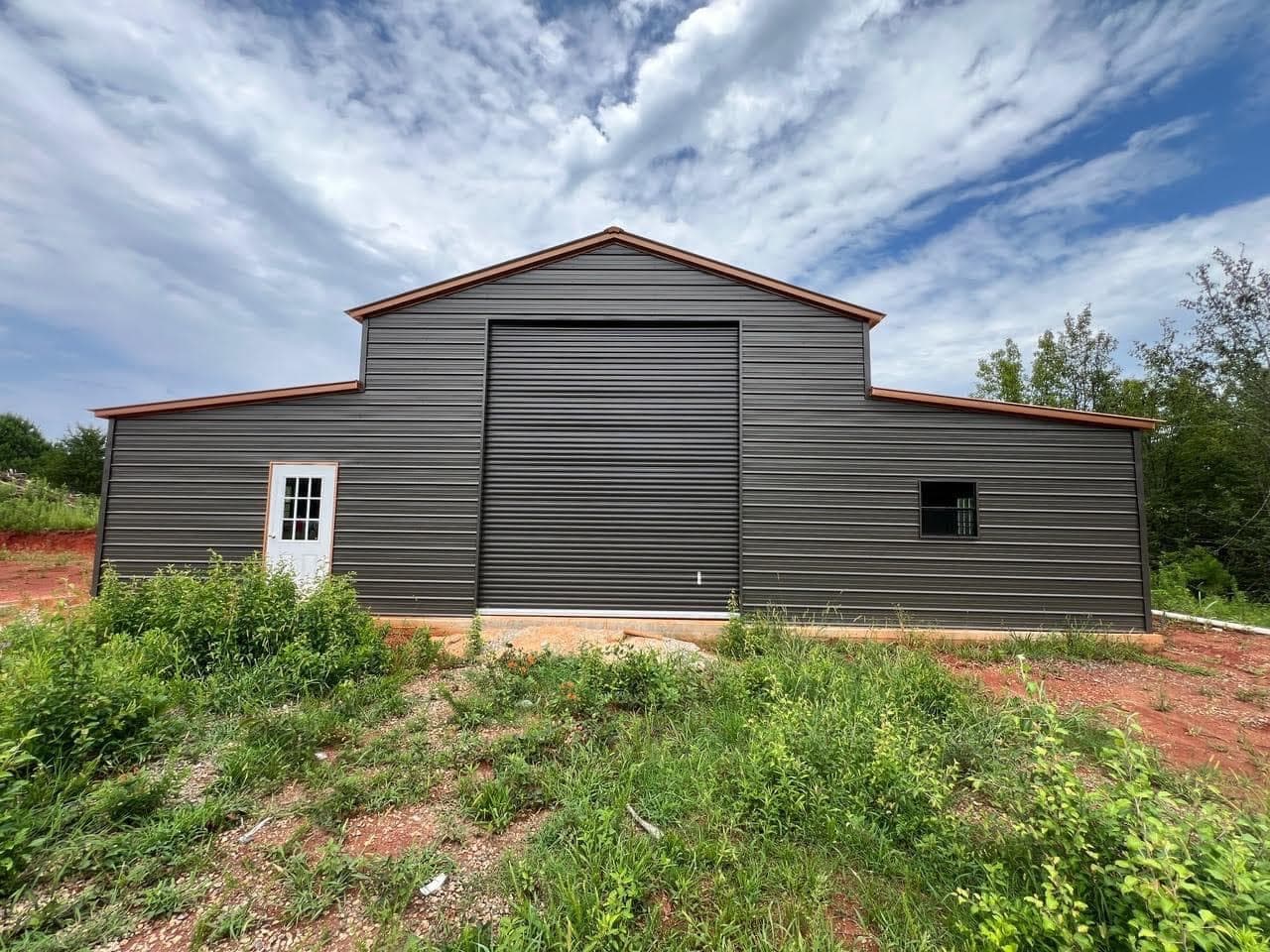
a step down roof metal barn

Unlike a single-height roof, a step-down roof design uses multiple roof elevations within the same structure. This variation creates natural ventilation paths, allows better separation of interior uses, and improves overall building efficiency. In modern agricultural settings, where livestock health, equipment protection, and energy efficiency all matter, roof design plays a much larger role than many realize.


This guide explains how step-down roof metal barns improve functionality, ventilation, and usable space. Drawing on real-world metal building experience, we’ll compare roof styles, explore benefits for livestock and storage, discuss materials and costs, and highlight common design mistakes to avoid—so you can make an informed decision for your next barn project.


What Is a Step-Down Roof Metal Barn?


A metal barn with a step-down roof features two or more roof sections at different heights. Typically, the main barn area has a taller roof, while adjacent sections step down to a lower elevation.


This design allows:

  • Interior zones with different clearance needs

  • Improved air movement between roof levels

  • Better separation of livestock, storage, and workspaces


In modern metal barn construction, step-down roofs are increasingly used to support multi-purpose agricultural operations that require flexibility and efficiency.


How Step-Down Roof Design Improves Barn Ventilation


Natural Airflow Through Height Variation

One of the biggest advantages of a step-down roof design is enhanced ventilation. Warm air naturally rises and exits through higher roof sections, while cooler air enters through lower areas. This creates continuous airflow without relying heavily on mechanical systems.


Key ventilation benefits include:

  • Reduced heat buildup during warm months

  • Lower moisture levels inside the barn

  • Improved air quality for animals and stored materials


This approach is a cornerstone of effective barn roof ventilation design and supports healthier environments year-round.


Metal Barn Airflow and Ventilation in Practice

In livestock barns, proper airflow reduces ammonia buildup, condensation, and heat stress. For equipment or hay storage, ventilation helps prevent rust, mold, and moisture damage—making the step-down roof barn benefits practical as well as structural.


Functional Metal Barn Design Through Smart Roof Layouts


Barn Roof Height Variation and Interior Use

Barn roof height variation allows you to match interior clearance with function. Taller sections accommodate:

  • Hay storage

  • Large equipment

  • Ventilation plenums

Lower sections work well for:

  • Livestock stalls

  • Feed storage

  • Covered work areas


This flexibility improves functional metal barn design without increasing the overall footprint of the structure.


Real-World Example

A farm operation using a step-down roof for livestock barns may place animal housing under the lower roof while using the higher section for hay storage. This keeps feed dry, improves airflow over animals, and simplifies daily operations.


Step-Down Roof vs Standard Barn Roof

Comparison Overview

Feature

Step-Down Roof Metal Barn

Standard Barn Roof

Ventilation

Excellent natural airflow

Limited airflow

Interior Flexibility

High

Low

Energy Efficiency

Better temperature control

Higher heat retention

Livestock Comfort

Improved

Basic

Design Complexity

Moderate

Simple

When comparing step-down roof vs standard barn roof, step-down designs clearly offer more adaptability and long-term value—especially for agricultural use.


Materials and Roofing Options for Step-Down Roof Metal Barns


Steel Barn Roof Design Options

The most effective steel barn roof design options for step-down roofs include:

  • Vertical metal panels for water runoff

  • Galvanized or coated steel for corrosion resistance

  • Insulated panels for temperature control


These materials support agricultural metal barn roofing needs while minimizing maintenance.


Custom Metal Barn Roof Considerations

A custom metal barn roof allows you to:

  • Adjust roof pitch for climate conditions

  • Integrate ridge vents or wall openings

  • Align roof breaks with interior layout


Customization ensures the roof works with—not against—your operation.


Energy-Efficient Metal Barn Design Benefits


A step-down roof metal barn naturally supports energy-efficient metal barn design by reducing heat retention and improving air circulation. This can lead to:

  • Lower cooling costs

  • Reduced moisture-related damage

  • More stable interior temperatures


Over time, these benefits help offset the initial construction investment.


Common Mistakes to Avoid in Step-Down Roof Barn Design


Even a strong concept can fail if poorly executed. Common mistakes include:

  • Incorrect roof height transitions

  • Poorly planned ventilation openings

  • Ignoring wind and snow load engineering

  • Using incompatible roofing materials


Proper metal barn roof design must consider structural engineering, airflow, and site-specific conditions from the start.


Expert Tips for Planning a Step-Down Roof Metal Barn


From years of metal building experience:

  • Design interior use first—roof heights should follow function

  • Plan ventilation paths early, not as an afterthought

  • Choose materials rated for your local climate

  • Work with engineers familiar with modern metal barn construction


These steps help ensure long-term performance and compliance.


Conclusion


A step-down roof metal barn is a smart investment for anyone seeking better ventilation, flexible space planning, and long-term efficiency. By leveraging roof height variation, this design improves airflow, supports livestock health, protects stored materials, and enhances daily operations. Compared to traditional roof styles, step-down designs offer measurable advantages in comfort, usability, and energy performance.


If you’re planning a new barn or upgrading an existing structure, understanding how roof design impacts functionality is critical. A well-engineered step-down roof can transform how your barn performs for decades.


Ready to explore step-down roof options for your metal barn? Contact Nationwide Steel Structures - metal building expert today to request a custom design or get guidance tailored to your agricultural needs.


FAQs


How does a step-down roof design improve barn ventilation?

A step-down roof design creates natural airflow by allowing warm air to rise and exit through higher roof sections while cooler air enters from lower areas. This continuous movement supports effective metal barn airflow and ventilation without heavy reliance on mechanical systems.


Does a step-down roof design increase construction costs?

A step-down roof may have slightly higher upfront costs due to additional engineering, but long-term savings from improved ventilation, energy efficiency, and reduced maintenance often outweigh the initial investment.


Is a metal barn with a step-down roof suitable for livestock barns?

Yes. A metal barn with a step-down roof is ideal for livestock operations because it improves airflow, reduces heat stress, and creates healthier interior conditions for animals.


What roofing materials work best for step-down roof metal barns?

Steel panels are the most effective choice. They offer durability, weather resistance, and compatibility with steel barn roof design options, making them ideal for step-down roof configurations.


How does barn roof height variation improve usable interior space?

Barn roof height variation allows different interior zones to serve specific functions—taller sections for storage or equipment, lower sections for stalls or work areas—maximizing efficiency without increasing building size.

Comments


bottom of page