
top of page

Metal Building Construction: How Design, Anchoring, and Materials Work Together

Metal building construction involves much more than just putting together steel frames and panels; it's a well planned operation that requires flawless coordination between design, anchoring, and materials. When used properly, this strategy produces structures that are more durable, safer, more economical, and stronger than many conventional building techniques.


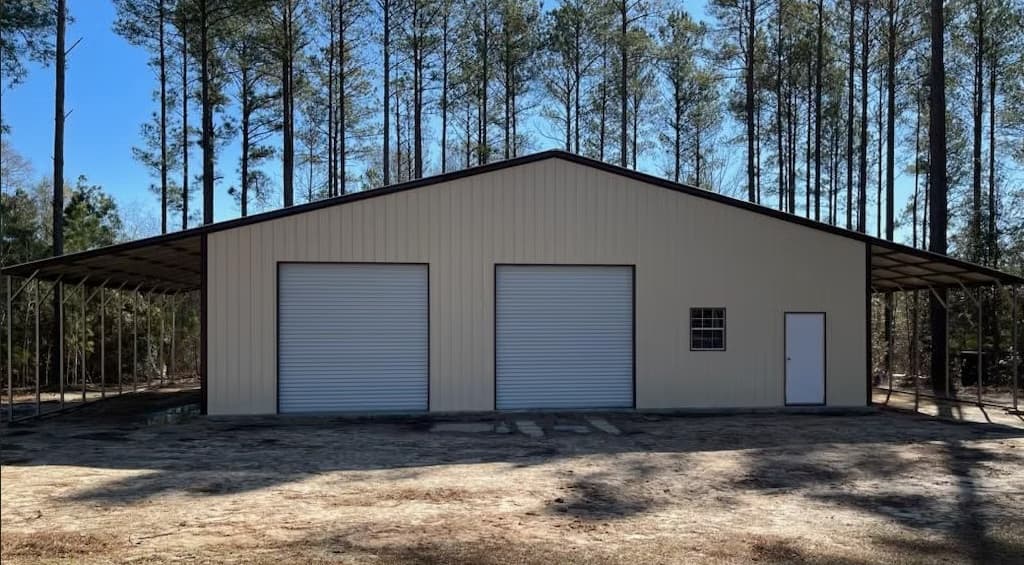
A metal building in a ground

Knowing how metal building design, metal building anchoring, and metal building materials interact will help you make better judgments and steer clear of expensive blunders whether you're developing a workshop, warehouse, agricultural structure, or commercial complex. Every element is essential to maintaining long-term performance, wind resistance, and structural stability.


The purpose of this guide is to provide decision-makers, developers, and property owners with a comprehensive, expert-level explanation of how modern steel building construction works and why taking shortcuts in any one area might jeopardise the structure as a whole.


Why an Integrated Approach Is Necessary for Metal Building Construction


Treating design, anchoring, and materials as independent choices is one of the most common fallacies in the field. In actuality, these components must be engineered in tandem for metal building construction to be successful.


Here’s why:


  • Design determines how loads move through the structure


  • Anchoring transfers those loads safely into the ground


  • Materials carry and resist stress over decades of use


If any part is under-designed or improperly executed, the entire building becomes vulnerable.


The Role of Metal Building Design in Structural Performance


Metal building design is the blueprint that governs everything from frame spacing to roof slope and connection points.


What Good Metal Building Structural Design Includes


A well-executed metal building structural design accounts for:


  • Wind and uplift forces


  • Snow and roof loads


  • Seismic considerations (where applicable)


  • Interior use and future expansion


  • Local building codes and zoning rules


When a building is properly designed, it functions as a single system rather than a collection of separate components.


Expert opinion: Minimum-code buildings frequently satisfy legal criteria but fall short of long-term performance standards.


Metal Building Anchoring: The Secret Source of Power


The frame is only as dependable as its link to the ground, regardless of how sturdy it is. One of the most important—and often disregarded—components is metal building anchoring.


How Anchoring Metal Buildings Works


Anchoring metal buildings typically involves:


  • Engineered anchor bolts


  • Base plates welded or bolted to columns


  • Concrete embedment calculated for load transfer


These anchor systems for metal buildings ensure that wind, seismic, and live loads are safely absorbed by the metal building foundation.


Wind Rated Metal Buildings and Anchoring Systems


In high-wind regions, wind rated metal buildings rely heavily on anchoring performance.


Why Anchoring Matters More Than Panel Thickness


Even the strongest steel panels can fail if anchoring is inadequate. Proper anchoring:


  • Prevents uplift during storms


  • Reduces lateral movement


  • Maintains structural alignment over time


This is why metal building engineering always evaluates anchoring and foundation design together—not in isolation.


Metal Building Materials – Strength Starts with Steel Quality


High-performance buildings depend on premium metal building materials and proven steel building materials.


Common Materials Used in Steel Building Construction


  • Galvanized steel frames


  • Cold-formed steel purlins and girts


  • Corrugated or standing seam roof panels


  • Protective coatings for corrosion resistance


In modern steel building construction, material selection directly affects lifespan, maintenance costs, and structural integrity.


The Importance of a Proper Metal Building Foundation


A well-designed metal building foundation distributes loads evenly and supports anchoring systems.


Foundation types commonly used:


  • Monolithic concrete slabs


  • Perimeter footings


  • Pier and beam systems


Foundation design must align with soil conditions, anchor layout, and structural loads to ensure code compliant metal buildings.


How Metal Building Engineering Brings Everything Together


Metal building engineering is where theory becomes reality.


Engineers coordinate:


  • Structural calculations


  • Connection details


  • Load paths


  • Code compliance verification


This process ensures the building is not only strong on paper—but performs reliably in real-world conditions.


Common Mistakes in Metal Building Construction


Avoiding these mistakes can save thousands in repairs:


  • Ignoring soil conditions during foundation planning


  • Using generic anchor layouts instead of engineered systems


  • Selecting materials based solely on cost


  • Overlooking local code requirements


  • Separating design from anchoring decisions


Each shortcut weakens the building as a whole.


Expert Tips for Long-Term Metal Building Performance


  • Always choose engineered anchor systems


  • Invest in quality steel, not just thicker panels


  • Confirm wind ratings and code compliance early


  • Plan for future expansion during design


  • Work with professionals experienced in steel systems


Conclusion: Building Strength Through Smart Metal Building Construction


Metal building structures successfully is never an accident. It is the outcome of carefully considered metal building design, correctly engineered anchoring metal buildings, and the use of premium metal building materials that function as a single system.


When these components come together, the outcome is a building that can withstand wind, adjust to changing environmental conditions, and provide decades of reliable service. Cutting corners in any area jeopardises long-term value, performance, and safety.


Now is the moment to collaborate with seasoned experts who comprehend the relationship between design, anchoring, and materials if you're constructing a new project. To make sure your project is constructed from the ground up, get an estimate, obtain a planning guide, or speak with a metal building specialist.


FAQs


What role does metal building engineering play in safety?

The foundation of a secure and durable structure is metal building engineering. Accurate calculations and distribution of dead loads, live loads, wind loads, and snow loads via the steel frame, anchoring system, and foundation are guaranteed by proper engineering.


How do anchoring systems affect wind-rated metal buildings?

The performance of wind-rated metal buildings depends heavily on anchoring mechanisms. The lifting, sliding, and overturning forces brought on by strong winds and storms are resisted by well-designed anchor systems.


Are metal buildings suitable for high-wind or extreme climates?

Indeed. Metal buildings are ideal for high-wind areas and harsh weather conditions when they are properly designed and erected. When combined with reinforced anchoring, bracing, and wind-rated panels, steel framing provides exceptional strength-to-weight performance, and metal buildings surpass many conventional building techniques.


Why is metal building design important for structural performance?

The way pressures move through a metal building during regular use and extraordinary situations is determined by its design. Stress concentrations are reduced, weak points are removed, and reliable load transfer from the roof to the base is ensured by a well-executed metal building structural design.


What are the most common mistakes in metal building construction?

Cutting savings or omitting important planning stages are typically the causes of the most frequent errors in metal building construction. Among them are:


  • Anchor spacing or anchoring errors

  • Insufficient preparation of the foundation

  • Using inferior or uncertified steel materials

  • Disregarding wind constraints and local building codes

  • Installing panels or frames incorrectly


Working with seasoned experts who comprehend metal building engineering, anchoring systems, and code compliance from the outset is necessary to avoid these errors.

Comments


bottom of page