
top of page

Different Types of Roof Trusses Used in Metal Buildings (Complete Guide)

Metal buildings have become a popular choice for commercial, agricultural, and industrial construction due to their durability, affordability, and flexibility. One of the most critical structural elements in these buildings is the roof truss system, which provides the strength and stability needed to support the roof and distribute loads evenly.


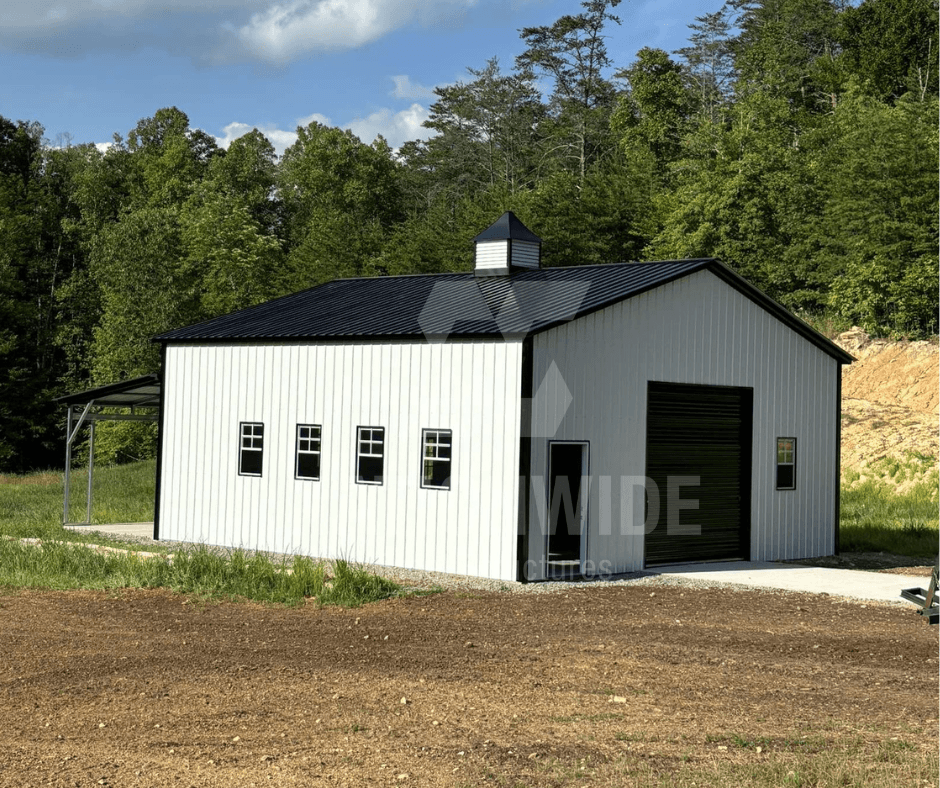
a metal building in a loan

Understanding roof trusses for metal buildings is important for anyone planning a steel building project. The right truss design not only improves structural integrity but also affects the building’s overall performance, lifespan, and cost efficiency. In this guide, we will explore the types of roof trusses for metal buildings, how they work, and how to choose the best design for your project.


Modern construction relies heavily on well-engineered truss systems in metal buildings because they allow large structures to maintain stability while minimizing material usage. From warehouses and workshops to agricultural barns and commercial facilities, the right steel building roof framing system ensures that the structure remains strong, safe, and capable of withstanding environmental loads such as wind, snow, and heavy rainfall. Understanding how these truss systems function can help builders and property owners make more informed decisions when designing a metal building.


What Are Roof Trusses in Metal Buildings?


Roof trusses are structural frameworks designed to support the roof of a building. In metal buildings, trusses are typically made from steel and arranged in triangular patterns to distribute weight efficiently. These systems form the backbone of the metal building roof structure, helping the roof withstand environmental loads such as wind, snow, and heavy rainfall.


Unlike traditional rafters that rely on individual beams, truss systems in metal buildings use interconnected components that create a strong and stable structure. This design reduces the amount of material needed while maximizing strength and durability.


Steel trusses are engineered to maintain balance across the entire roof frame. This makes them especially suitable for large-span buildings such as warehouses, agricultural barns, workshops, and industrial facilities where structural stability is critical.


Why Roof Trusses Are Essential for Metal Building Roof Structures


Roof trusses play a crucial role in maintaining the integrity of any steel building roof framing system. Their design ensures that weight from the roof covering, weather loads, and internal equipment is distributed evenly across the building structure.


One major advantage of roof trusses is their ability to span long distances without requiring interior support columns. This allows for more open interior space, which is beneficial for storage buildings, commercial facilities, and agricultural operations.


Another important benefit is efficiency. Steel roof truss types are engineered to use minimal material while providing maximum structural support. This not only reduces construction costs but also speeds up the building process.


Additionally, trusses provide flexibility in roof design. From steep gable roofs to complex architectural layouts, trusses allow builders to create strong yet visually appealing roof structures.


Common Types of Roof Trusses for Metal Buildings


Several types of trusses are used in modern steel construction. Each design offers unique advantages depending on the building size, load requirements, and architectural style.


Pratt Roof Truss

The Pratt truss is one of the most widely used steel roof truss types in modern construction. It features diagonal members that slope toward the center of the truss, allowing it to handle heavy loads efficiently.


This design works well for medium to large-span buildings and is often used in warehouses, industrial facilities, and storage structures. Its efficient load distribution makes it a reliable option for steel buildings located in areas with strong winds or heavy snowfall.


Howe Roof Truss


The Howe truss design is the opposite of the Pratt truss, with diagonal members that slope away from the center. This arrangement helps distribute compressive forces effectively throughout the structure.


Howe trusses are commonly used in agricultural buildings, barns, and workshops where durability and strength are essential. Their design allows them to support heavier loads while maintaining structural stability.


Warren Roof Truss


The Warren truss features a repeating pattern of equilateral triangles. This design distributes loads evenly across the truss without requiring vertical members in many cases.


Because of its simplicity and efficiency, the Warren truss is often used in modern metal building roof support structures. It works well for buildings that require a balance between structural strength and cost efficiency.


Fink Roof Truss


The Fink truss is recognizable by its “W-shaped” internal webbing. This design is particularly effective at distributing loads and reducing material usage.


Fink trusses are commonly used in residential and light commercial metal buildings. They provide strong support while maintaining a relatively lightweight structure.


King Post Roof Truss


The King Post truss is one of the simplest truss designs. It includes a central vertical post that connects the top and bottom chords of the truss.


This type of truss is typically used in smaller buildings or structures with shorter spans. Despite its simplicity, it provides reliable support and is easy to manufacture and install.


Queen Post Roof Truss


The Queen Post truss is similar to the King Post design but includes two vertical posts instead of one. This allows the structure to span a greater distance.


Queen Post trusses are often used in medium-sized metal buildings where additional support is required without increasing structural complexity.


Gable Roof Truss for Metal Buildings


The gable roof truss metal building design is one of the most common roof styles in steel construction. It creates the classic triangular roof shape that allows rainwater and snow to slide off easily.


Gable trusses are popular for barns, garages, and commercial buildings because they provide efficient drainage and strong structural support. Their simple design also makes them cost-effective and easy to install.


Understanding the Triangular Roof Truss Structure


The strength of roof trusses comes from their triangular configuration. The triangular roof truss structure allows forces to be distributed evenly across the entire framework, preventing stress from concentrating in one area.


Triangles are inherently stable shapes, which means they resist deformation even when subjected to heavy loads. This is why trusses are preferred over simple beam systems in large-span metal buildings.


The triangular design also reduces the amount of material needed for construction. By strategically placing steel members within the truss, engineers can create a lightweight yet incredibly strong structure capable of supporting substantial loads.


Roof Truss Design for Steel Buildings


Designing roof trusses requires careful planning and engineering. Several factors influence the roof truss design for steel buildings, including building dimensions, roof pitch, environmental conditions, and load requirements.


Engineers must calculate the weight of roofing materials, insulation, mechanical equipment, and potential weather loads. These calculations ensure that the truss system provides adequate support without overloading the structure.


Another important consideration is the spacing between trusses. Proper spacing ensures the roof panels remain secure and the building maintains structural balance. Modern design software allows engineers to create highly accurate truss designs that optimize both performance and cost efficiency.


Roof Truss Installation for Steel Buildings


Proper roof truss installation for steel buildings is essential for maintaining structural integrity. The installation process typically begins after the building’s primary steel framework is completed.


Trusses are usually lifted into place using cranes and secured to the building frame. Once installed, they are connected with bracing systems that provide additional stability and prevent movement.


Accurate alignment during installation is critical. Even minor positioning errors can affect the roof structure’s performance. This is why professional installation teams follow precise engineering plans and safety procedures when assembling truss systems.

Proper installation ensures the trusses work together to create a strong and durable metal building roof support structure that can withstand environmental stresses for decades.


Choosing the Right Roof Truss for Your Metal Building


Selecting the right truss design depends on several factors, including building size, intended use, and local weather conditions.


Large commercial buildings often require trusses that can span long distances without interior supports. In these cases, designs like Pratt or Warren trusses may be ideal.

Agricultural buildings such as barns or equipment storage facilities may benefit from Howe trusses due to their load-bearing capabilities.


Another important consideration is roof style. If the building requires a traditional pitched roof, a gable roof truss metal building design may be the best option.


Consulting with experienced engineers or building specialists can help determine which roof trusses for metal buildings will provide the best balance of strength, efficiency, and cost.


Final Thoughts on Roof Trusses for Metal Buildings


Roof trusses are one of the most important structural components of modern steel buildings. They provide the framework that supports the roof while distributing loads evenly across the structure. From Pratt and Howe trusses to Fink and Warren designs, each truss system offers unique advantages depending on the building’s size and purpose.


Understanding the types of roof trusses for metal buildings helps property owners and builders make informed decisions when planning a construction project. By selecting the right truss system and ensuring proper design and installation, metal buildings can achieve exceptional durability and long-term performance.


Companies with extensive experience in steel building construction, such as Nationwide Steel Structures, understand the importance of using the right structural components to ensure safety, efficiency, and reliability in every project. Choosing the correct roof truss system is a key step toward building a structure that will remain strong and dependable for years to come.


FAQs

Why are roof trusses used in steel buildings?

Roof trusses are used because they provide a highly efficient way to support large roof spans. Compared to traditional rafters, truss systems in metal buildings distribute loads more evenly and require fewer materials. This makes them cost-effective, structurally reliable, and ideal for modern steel building roof framing.


What are the most common types of roof trusses for metal buildings?

Some of the most common types of roof trusses for metal buildings include Pratt trusses, Howe trusses, Warren trusses, Fink trusses, King Post trusses, and Queen Post trusses. Each design offers different advantages depending on the building’s size, load requirements, and architectural style.


What is the difference between roof trusses and rafters?

The main difference between roof trusses and rafters lies in their construction and load distribution. Rafters are individual beams that rely on additional structural support, while trusses are pre-engineered frameworks that distribute loads more efficiently. As a result, roof trusses are often preferred in modern metal buildings.


How are roof trusses installed in steel buildings?

Roof truss installation for steel buildings typically involves lifting the trusses into position using cranes and securing them to the building frame. Once installed, bracing systems are added to provide stability and alignment. Professional installation ensures the trusses function properly as part of the metal building roof support structure.


Are steel roof trusses stronger than wooden trusses?

Steel roof trusses are generally stronger and more durable than wooden trusses. They are resistant to pests, moisture damage, and fire, making them ideal for long-term structural performance in commercial and industrial buildings.


How do I choose the right roof truss system for my metal building?

Choosing the right roof truss system depends on the building’s purpose, size, and structural requirements. Consulting with engineers or experienced steel building providers can help determine which steel roof truss types are best suited for the project. Proper planning ensures the building remains safe, efficient, and durable over time.

Comments


bottom of page