
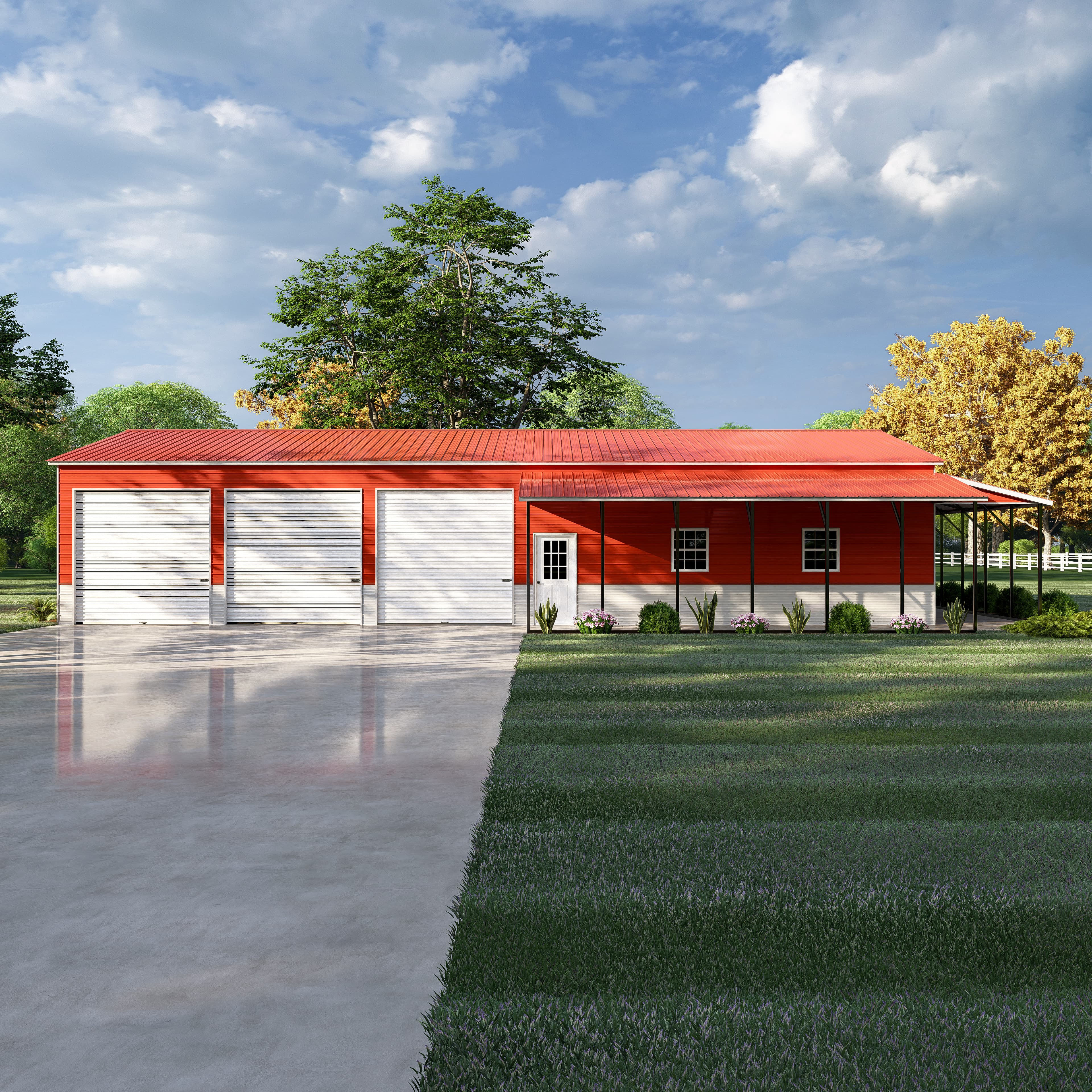
Rust and Pest Control for Metal Buildings: Best Ways to Stop Dampness and Corrosion
- Nationwide Steel Structures, LLC ..
- 5 days ago
- 4 min read
This guide focuses on rust and pest control for metal buildings, breaking down why dampness forms, how pests gain access, and—most importantly—what proven construction and maintenance strategies actually work. Whether you own an agricultural barn, insulated shop, or industrial steel building, understanding these factors helps you extend the life of your structure, protect stored assets, and reduce long-term repair costs.

Metal buildings are known for their durability, strength, and low maintenance—but rust, moisture, and pests remain the biggest long-term threats if they are not addressed correctly. Owners of metal garages, barns, workshops, and commercial steel structures often assume steel alone is enough to resist damage. In reality, poor moisture control and overlooked entry points can quickly lead to corrosion, condensation issues, mold growth, and pest infestations.
Drawing from real-world metal building experience, this article covers moisture behavior, ventilation strategies, material choices, common mistakes, and professional-grade solutions used across the steel building industry.
Why Rust and Pest Control Matters in Metal Buildings
Rust rarely starts overnight, and pests don’t appear without a reason. Both issues usually trace back to uncontrolled moisture and unsealed gaps.
Unchecked dampness can lead to:
Structural corrosion
Mold and mildew growth
Interior damage to equipment or vehicles
Increased pest activity
Effective moisture control for metal buildings is the foundation of corrosion prevention and long-term durability.
What Causes Rust in Metal Buildings?
Condensation Is the #1 Culprit
The most common cause of rust in steel structures is condensation in metal buildings. This occurs when warm, humid air contacts cooler metal surfaces, causing water droplets to form.
Common triggers include:
Poor airflow
Lack of insulation
Temperature swings
Ground moisture rising into the structure
Over time, even galvanized steel can suffer if moisture is constantly present.
How to Stop Rust in Metal Buildings Before It Starts
1. Control Moisture at the Source
To stop rust in metal buildings, moisture must be managed from the ground up.
Best practices include:
Installing vapor barriers under concrete slabs
Using gravel bases for proper drainage
Preventing ground water pooling around foundations
2. Proper Insulation and Condensation Control
Insulation helps stabilize interior temperatures and minimizes condensation.
Options commonly used include:
Fiberglass insulation
Spray foam systems
Double-bubble reflective insulation
These systems protect metal buildings from moisture by reducing temperature differentials.
Metal Building Ventilation: A Critical Defense
Does Ventilation Help with Rust and Pest Control?
Yes—metal building ventilation is one of the most effective tools available.
Ventilation helps:
Release trapped humidity
Regulate interior temperature
Reduce condensation buildup
Discourage rodents and insects that thrive in damp environments
Common ventilation solutions:
Ridge vents
Gable vents
Eave vents
Powered exhaust fans for large buildings
Which option is best for your climate? That depends on humidity levels, building size, and usage.
Prevent Dampness in Metal Structures with Smart Design
Seal Gaps Before Pests Find Them
Many pest problems start small. Rodents, insects, and termites only need tiny openings.
To support rodent prevention in metal buildings:
Seal all panel joints and seams
Use steel trim closures
Install door sweeps and weather stripping
This also helps prevent mold in metal buildings by stopping humid air infiltration.
Pest Control for Metal Buildings: What Actually Works
Keep Pests Out—Not Just Treated
Unlike wood buildings, steel structures don’t attract pests directly—but moisture and shelter do.
Effective pest control for metal buildings includes:
Keeping interiors dry
Eliminating food sources
Removing vegetation near walls
Maintaining sealed perimeters
Termite Control for Metal Structures
While termites don’t eat steel, they can damage wood framing, stored materials, and insulation.
Prevention strategies:
Avoid wood-to-ground contact
Use concrete or steel foundations
Treat soil near perimeter when necessary
Corrosion Prevention for Steel Buildings: Expert Tips
Long-Term Protection Checklist
Use this checklist to support long-lasting metal building maintenance:
Maintain proper drainage
Inspect roof fasteners annually
Recoat scratched metal surfaces
Keep ventilation unobstructed
Inspect seals, trims, and closures
Small issues ignored early often lead to expensive repairs later.
Common Mistakes That Lead to Rust and Pest Problems
Avoid these costly errors:
Skipping insulation to save upfront cost
Ignoring ventilation planning
Failing to seal gaps in metal buildings
Allowing moisture to accumulate under slabs
Delaying routine inspections
Prevention is always more affordable than replacement.
Cost Factors: Prevention vs Repairs
Action | Typical Cost Impact |
Proper insulation | Low–Moderate |
Ventilation upgrades | Low |
Moisture damage repair | High |
Structural rust repair | Very High |
Pest damage remediation | Moderate–High |
Investing early in corrosion prevention for steel buildings saves significant money long term.
Conclusion
Rust, dampness, and pest issues do not mean a metal building is poorly built or failing structurally. In most cases, they point to missed prevention steps during planning, installation, or ongoing maintenance. Moisture intrusion, limited airflow, and small unsealed gaps are often the real culprits—not the steel itself. When these factors are addressed early, metal buildings consistently outperform traditional structures in longevity and durability.
By prioritizing proper moisture control, smart ventilation design, sealed construction details, and routine inspections, owners can significantly extend the service life of their steel structures while protecting vehicles, equipment, livestock, and stored materials inside. These preventative measures also reduce long-term maintenance costs and help maintain a cleaner, healthier interior environment year-round.
Whether you are planning a new structure or upgrading an existing one, addressing rust and pest risks upfront is far more cost-effective than repairing damage later. At Nationwide Steel Structures, metal buildings are designed with proven corrosion prevention, ventilation options, and customization features that support long-term performance across residential, agricultural, and commercial applications. Taking action now ensures your metal building remains strong, dry, and reliable for decades to come.
FAQs
Does ventilation help with rust and pest control?
Yes. Proper ventilation reduces humidity and condensation, which helps prevent rust and discourages pests that thrive in moist environments.
What causes rust in metal buildings?
Rust is primarily caused by prolonged exposure to moisture from condensation, leaks, or poor drainage around the structure.
How do you reduce condensation in metal structures?
Using insulation, vapour barriers, and proper ventilation helps regulate temperature differences that cause condensation.
Can dampness damage metal structures?
Yes. Ongoing dampness accelerates corrosion, promotes mold growth, and can weaken fasteners and connections over time.
Does regular maintenance extend the life of metal buildings?
Absolutely. Routine inspections, sealing gaps, maintaining ventilation, and addressing moisture early are key to long-lasting metal building performance.


Comments