
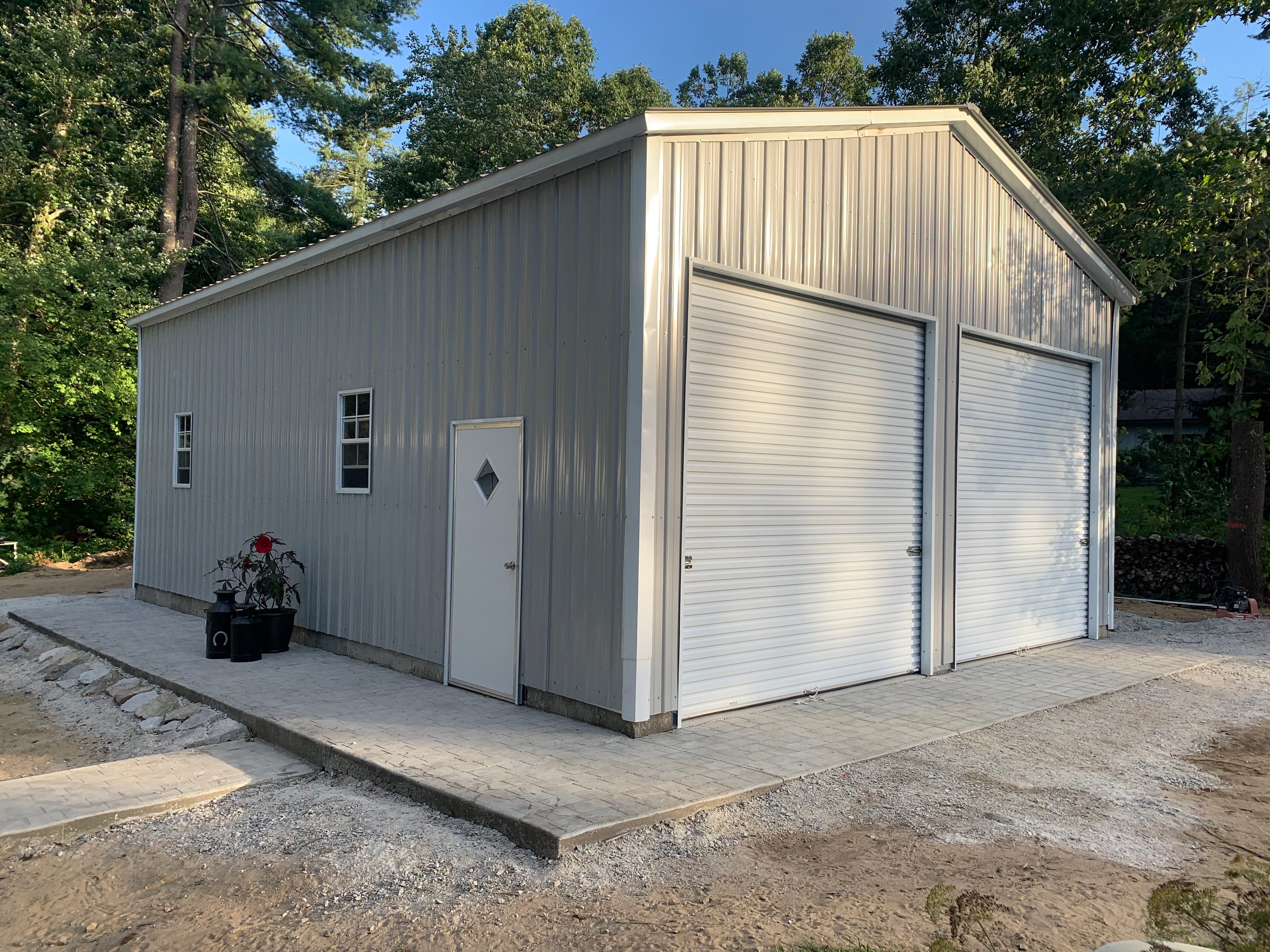
Hurricane-Rated Metal Buildings: What Homeowners Should Know Before Buying
- Nationwide Steel Structures, LLC ..
- Feb 12
- 5 min read
Hurricanes and extreme wind events are becoming more frequent and intense across the United States, especially in coastal and Gulf states like Florida, Texas, Louisiana, and the Carolinas. For homeowners in high-risk regions, structural durability is not optional — it is essential.

This is where hurricane rated metal buildings stand out. Designed to meet strict hurricane wind load ratings and coastal construction standards, these engineered steel structures provide superior strength compared to traditional wood-framed buildings.
Whether you’re planning a storm resistant metal garage, a hurricane safe steel barn, or a full residential steel building, understanding wind load certification, regional building codes, and structural features is critical before making a purchase.
This guide explains everything homeowners need to know.
What Are Hurricane-Rated Metal Buildings?
Hurricane rated metal buildings are engineered steel structures specifically designed to withstand high wind speeds in hurricane-prone regions. These buildings are manufactured to meet local and national standards such as:
IBC wind load requirements
Florida hurricane building codes
FEMA wind zone requirements
Miami-Dade wind rating standards
Unlike standard prefab structures, hurricane resistant steel buildings are backed by:
Engineered drawings
Structural wind load calculations
Metal building wind certification
Wind-speed testing documentation
These structures typically qualify as:
Pre-engineered steel buildings
High wind resistant buildings
Wind rated buildings for coastal areas
The key difference is engineering. A true hurricane proof metal building is not simply “strong steel” — it is engineered for specific wind exposure categories and anchoring systems.
Understanding Wind Load Ratings (130 MPH vs 150 MPH vs 170 MPH)
Wind load ratings define the maximum wind speed a structure can withstand safely. These ratings are based on structural wind load calculations following IBC wind load requirements.
130 MPH Wind Rating
Suitable for moderate hurricane zones and inland high-wind regions. Many southern states require at least 130 MPH for residential steel structures.
150 MPH Wind Rated Metal Building
Common in coastal counties. This rating is typical in high-risk Gulf Coast areas and many Florida counties.
170 MPH Wind Rating
Required in some parts of South Florida and regions following strict Miami-Dade wind rating standards.
The required wind rating depends on:
State and county regulations
Wind exposure category (open land vs urban)
Structure height
Intended use
FEMA wind zone map designation
Homeowners should always verify coastal wind load requirements before purchasing a building.
Hurricane Risk Zones in the United States
Wind zone classification plays a major role in determining structural standards.
Florida
Florida hurricane building codes are among the strictest in the nation. Many coastal areas require 150–170 MPH wind ratings, particularly in Miami-Dade and Broward counties.
Texas Gulf Coast
The Texas wind zone map identifies high-wind regions along the Gulf. Coastal counties often require reinforced steel framing systems and enhanced anchoring.
Louisiana & Mississippi
Frequent hurricanes make 140–150 MPH wind rated buildings common in southern parishes and counties.
Carolinas
Coastal North and South Carolina require higher wind ratings compared to inland areas.
FEMA Wind Zone Requirements
FEMA designates wind exposure levels across the U.S., influencing hurricane zone construction requirements and insurance standards.
Understanding your regional wind rating requirement is the first step in choosing the best metal buildings for hurricane zones.
Key Structural Features That Make a Metal Building Hurricane Resistant
Not all steel buildings are created equal. The following features define hurricane resistant steel buildings:
Reinforced Steel Framing Systems
Thicker gauge steel columns and rafters provide improved resistance to lateral wind pressure.
Engineered Bracing
Diagonal bracing strengthens the structural frame against uplift forces.
High-Strength Roof Panel Fastening
Roof panels are secured using advanced fastening systems to prevent wind uplift.
Anchoring Systems
Concrete anchors or mobile home anchors secure the building foundation to resist storm uplift.
Continuous Load Path Design
Ensures wind pressure transfers safely from roof to walls to foundation.
Impact Resistant Metal Structures
In hurricane-prone areas, buildings must withstand flying debris.
These features combine to create high wind resistant buildings capable of performing under extreme stress.
Coastal Metal Building Requirements You Must Meet
Buying a building in a hurricane zone requires more than selecting a design. Coastal metal building requirements often include:
Engineered stamped drawings
Wind load certification documents
Permit approval
Soil condition review
Foundation inspection
Compliance with Florida hurricane building codes or local equivalents
In areas following Miami-Dade wind rating standards, stricter testing and documentation may apply.
Failure to meet hurricane zone construction requirements can result in:
Permit denial
Insurance claim issues
Structural failure risk
Always verify documentation before installation.
Why Hurricane Resistant Steel Buildings Outperform Wood Structures
Many homeowners still consider traditional wood construction. However, steel outperforms wood in high-wind regions for several reasons:
Superior Structural Strength
Steel maintains its integrity under pressure, while wood can crack, split, or rot.
Moisture Resistance
Hurricanes bring heavy rain. Steel resists moisture-related deterioration better than untreated lumber.
Termite & Pest Resistance
Unlike wood, steel structures do not suffer from termite damage.
Lower Long-Term Maintenance
Storm resistant metal garages require less upkeep in humid climates.
Consistent Engineering Standards
Pre-engineered steel buildings are designed with precise structural wind load calculations, unlike many field-framed wood structures.
For coastal homeowners, metal buildings for high wind areas offer greater peace of mind.
How to Verify if Your Metal Building is Truly Hurricane Rated
Before purchasing, homeowners should confirm the following:
1. Wind Rating Documentation
Request official wind load certification showing the building’s rated MPH.
2. Engineered Stamped Drawings
Certified drawings confirm compliance with IBC wind load requirements.
3. Anchoring Specifications
Verify foundation and anchoring methods meet hurricane wind load ratings.
4. Exposure Category
Ensure the structure is engineered for your specific exposure classification (A, B, C, or D).
5. Local Permit Approval
Confirm that the structure qualifies under your county’s building code.
A legitimate 150 mph wind rated metal building will always have engineering documents to support its rating.
Cost Factors of Hurricane-Rated Metal Buildings
Hurricane rated metal buildings typically cost more than standard steel structures, but the difference reflects structural upgrades.
Key cost factors include:
Thicker steel gauge framing
Reinforced bracing systems
Stronger anchoring components
Engineering certification
Regional code compliance upgrades
While upfront costs may be higher, hurricane proof metal buildings often reduce:
Long-term maintenance expenses
Insurance premiums
Repair costs after storms
Investing in wind rated buildings for coastal areas provides long-term value.
Final Thoughts: Choosing the Right Wind-Tested Steel Building
Selecting the right hurricane rated metal building requires careful evaluation of:
Required wind load rating
Engineering certification
Coastal wind load requirements
Anchoring systems
Permit compliance
For homeowners in hurricane-prone regions, engineered metal buildings provide durability, strength, and long-term protection unmatched by many traditional structures.
If you are considering a hurricane safe steel barn, storm resistant metal garage, or a fully engineered residential steel structure, working with an experienced provider is essential.
At Nationwide Steel Structures, buildings are designed to meet regional wind codes, structural engineering standards, and hurricane zone construction requirements — helping homeowners invest confidently in high wind resistant buildings built for real-world conditions.
FAQs
What is considered a hurricane-rated metal building?
A hurricane-rated metal building is an engineered steel structure designed to withstand specific high wind speeds (typically 130–170 MPH) and built in compliance with IBC wind load requirements and local building codes.
What wind rating do I need in Florida?
Most Florida counties require 140–170 MPH wind ratings depending on exposure category and proximity to the coast. Miami-Dade areas often require higher wind certifications.
Do hurricane-rated metal buildings require special permits?
Yes. Most coastal counties require engineered stamped drawings, wind load documentation, and permit approval before installation.
How can I verify wind load certification?
Request engineered drawings, wind rating documentation, and confirmation that the structure meets local coastal wind load requirements.
Are hurricane-rated metal buildings more expensive?
They may cost more upfront due to reinforced steel framing systems and certification, but they often provide long-term savings through durability and reduced maintenance.